
End-of-Year Smile Strategy: Put Your FSA to Work

Plan ahead with Toothman Orthodontics and use your remaining flex dollars before they reset.
Table of Contents
Introduction
Meet the Doctor
Why Year-End FSA Planning Matters
Flexible Spending Account Rules in Plain Language
Flexible Spending Account vs Health Savings Account
What Orthodontic Costs Are Usually Eligible
Top Picks: The Best Ways to Use FSA Funds for Orthodontics
Step-by-Step: How to Use Your Flex Benefits with Us
Using FSA Funds for Braces
Using FSA Funds for Invisalign and Queue Aligners
Retainers and Replacement Appliances: The Overlooked Smart Move
Common Questions That Cause People to Miss the Deadline
Pro Tips to Make Reimbursement Easy
Patient Spotlight
Why Choose Toothman Orthodontics
Conclusion
Frequently Asked Questions
Introduction
If you have a Flexible Spending Account, you already know the feeling. The year is flying by, and suddenly you realize you still have money sitting in your account that may reset soon. You do not want to waste benefits you intentionally set aside, but you also do not want to make a rushed decision that feels confusing.
Here is the good news: orthodontic treatment is one of the most valuable ways to use FSA dollars because it supports long-term oral health, bite function, confidence, and everyday comfort. Even better, you do not need to finish braces or aligner treatment before the year ends to make smart progress. In many cases, you simply need to apply eligible funds in accordance with your plan’s rules and deadlines.
At Toothman Orthodontics, we are proud to serve smiles across Maryland with a legacy of excellence that spans generations. Led by Dr. Jeffrey Toothman, our practice includes two convenient locations in Frederick and Hagerstown. We offer braces, Invisalign®, and Queue™ Aligners, and we are honored to be a Platinum Invisalign® Provider. Our father-son legacy has served Maryland smiles since 1977, and we are grateful for a 5-star rating with 470+ reviews.
In this guide, we will break down FSA rules in plain language, share the most effective ways to apply your flex benefits toward orthodontic care, and walk you through a simple step-by-step plan to use your remaining dollars before the year-end deadline.
Meet Our Doctor
Dr. Jeffrey Toothman leads our team with a focus on clear communication, consistent results, and an excellent patient experience. Our practice is built on a father-son legacy of orthodontic care in Maryland since 1977, and we take that responsibility seriously. We have helped generations of families feel confident about their smiles, and we believe the planning side of treatment should feel just as supportive as the clinical side.
Whether you are considering braces, Invisalign®, or Queue Aligners, our job is to guide you through your options and help you make a decision that fits your goals, your timeline, and your budget.
Why Year-End FSA Planning Matters
An FSA is one of the smartest tools families have for reducing out-of-pocket healthcare costs because you contribute pre-tax dollars that can be used for qualified expenses. The challenge is that many FSAs have year-end rules, and unused funds may be forfeited depending on your plan.
That is why year-end planning matters. You have an opportunity to:
- Use funds you already set aside intentionally
- Apply pre-tax dollars to orthodontic care that provides long-term value
- Reduce the financial barrier to starting braces or aligners
- Protect results with retainers if you already completed treatment
A year-end FSA deadline can feel stressful, but it can also be a helpful nudge. It turns “someday” into a plan.
Flexible Spending Account Rules in Plain Language
FSA rules vary by employer, but most families only need to understand a few key points.
Your FSA uses pre-tax money
This can reduce the effective cost of orthodontic care because the dollars you use were not taxed like regular income.
Many FSAs have a year-end deadline
Some plans include a grace period or allow a limited rollover. Others do not. Your employer’s plan rules decide what happens.
The plan decides how timing works
Some FSAs care about when you paid. Others care about when the service occurred. This detail matters when you are trying to use funds before the year ends.
Documentation is normal
Many administrators require an itemized receipt or statement that shows:
- Patient name
- Date
- Type of service
- Amount paid
If you are not sure about the specifics of your plan, your HR team or FSA administrator can quickly confirm your remaining balance and deadline.
Flexible Spending Account vs Health Savings Account
Patients often ask about the difference between an FSA and an HSA.
Flexible Spending Account
- Employer-sponsored for many plans
- Funded with pre-tax dollars
- Often has a year-end deadline
- Commonly used for orthodontics
Health Savings Account
- Typically paired with high-deductible health plans
- Funded with pre-tax dollars
- Funds usually roll over from year to year
- Also commonly used for orthodontic care
The key difference is time sensitivity. FSAs often require year-end planning. HSAs are usually more flexible long-term.
What Orthodontic Costs Are Usually Eligible
While every plan is different, orthodontic treatment is commonly considered a qualified expense. Many plans allow FSA funds to be used for items like:
- Orthodontic exams and diagnostic records
- Braces treatment fees
- Invisalign® treatment fees
- Clear aligner treatment fees, including our in-house Queue Aligners
- Adjustment visits and ongoing care
- Retainers after treatment
- Replacement retainers or appliances in many cases
Pro tip: If your plan requires proof, keep all itemized receipts and any statements from the beginning. It makes everything easier.
Top Picks: The Best Ways to Use FSA Funds for Orthodontics
If you are looking for the highest-impact moves, start here.
Top Pick 1: Apply your FSA funds toward your down payment
This is one of the fastest ways to make treatment more affordable because it can lower your monthly payment.
Top Pick 2: Use FSA funds for your diagnostic records
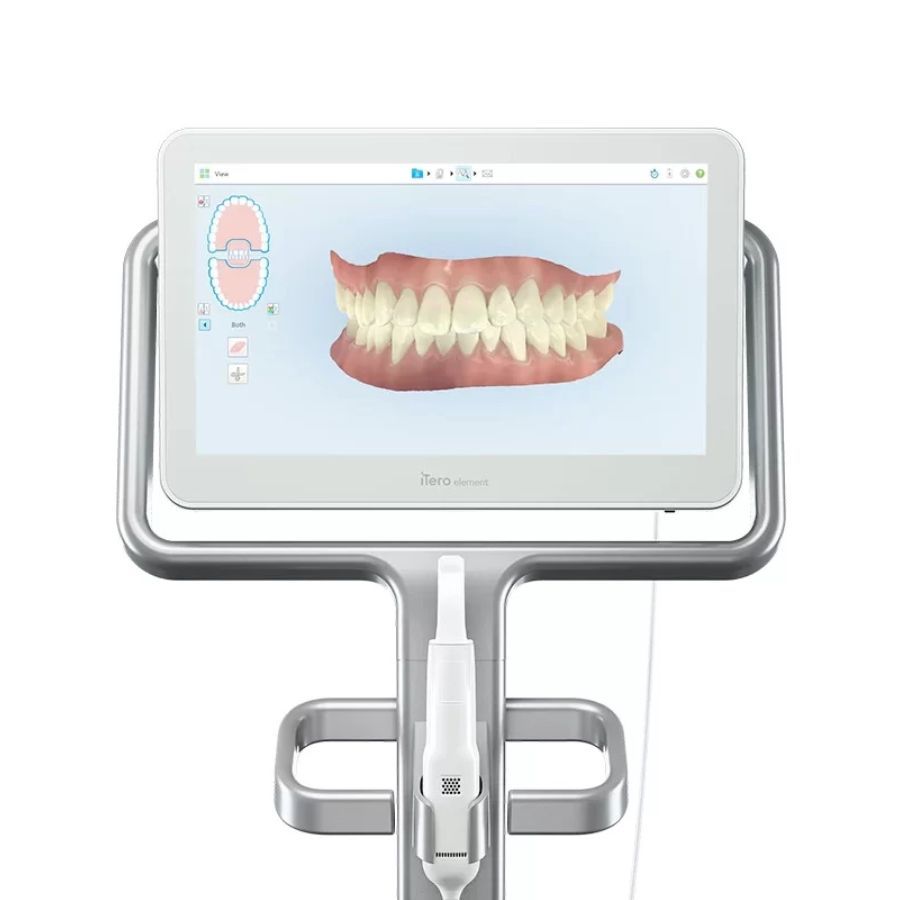
Records and scans are clear, documented, and commonly eligible. This is a smart first step for families who want to start the process without rushing.
Top Pick 3: Use FSA funds to start treatment before the deadline
Starting now, you can convert leftover dollars into measurable progress toward a new smile.
Top Pick 4: Use FSA funds to pay toward an existing treatment balance
If you already started treatment, many plans allow FSA funds to be used for ongoing orthodontic payments.
Top Pick 5: Use FSA funds for retainers
Retainers protect your investment. If you are not ready to start full treatment, retainers can be the best use of the remaining funds at year-end.
Log into your benefits portal today and write down two things: your remaining FSA balance and your exact deadline date.
Step-by-Step: How to Use Your Flex Benefits with Us
Here is a simple plan that works well for most families.
Step 1: Confirm your remaining balance and deadline
Check your FSA portal or contact your HR team. Make note of:
- Remaining balance
- Deadline date
- Any grace period or rollover
- Whether timing is based on service date or payment date
Step 2: Schedule your consultation
A consultation gives you clarity on:
- Whether braces, Invisalign®, or Queue Aligners are recommended
- Expected timeline
- What treatment will look like in real life
- Your investment and payment options
Step 3: Choose a strategy that fits your situation
Most families choose one or more of these:
- Apply FSA dollars to the down payment
- Apply FSA dollars to records and initial treatment fees
- Use FSA dollars toward ongoing monthly payments
- Use FSA dollars for retainers or replacement appliances
Step 4: Keep documentation for reimbursement
If you are paying and submitting for reimbursement, keep itemized receipts and statements.
Step 5: Submit reimbursement early
End-of-year processing can slow down when many people submit claims at once. Submitting early reduces stress.
If you are unsure which approach is best for your family, our team can help you choose a simple plan during your consultation.
Using FSA Funds for Braces
Braces remain one of the most effective tools for correcting crowding, spacing, and bite concerns. Families often choose braces because they are consistent and do not rely on wear time.
Many plans allow FSA funds to be used for:
- Braces treatment fees
- Adjustment visits
- Appliances used as part of treatment
- Retainers after braces
If you have been waiting for the right time to start, year-end planning can make braces feel much more manageable.
Using FSA Funds for Invisalign and Queue Aligners
Clear aligners are popular with teens and adults who want a more discreet option and the flexibility to eat what they love. At Toothman Orthodontics, we offer Invisalign® and Queue Aligners, and we will recommend the option that best fits your needs.
FSA funds are commonly applied to:
- Clear aligner treatment fees
- Records and planning
- Ongoing care throughout treatment
- Retainers after aligner treatment
Clear aligner success comes down to consistency. If you are ready to commit to wear time, aligners are an excellent choice and a great investment.
Retainers and Replacement Appliances: The Overlooked Smart Move
Retainers are one of the most overlooked year-end opportunities. Many families finish treatment and then forget that retention is what protects the result long-term.
If you have leftover FSA funds and you are not ready to start full treatment right now, retainers can be a smart year-end move because they:
- Protect past orthodontic investment
- Help prevent relapse
- Provide peace of mind if an old retainer is worn, cracked, or lost
This is also a great option for college students returning home for the holidays or adults who want to ensure their smile stays stable.
Common Questions That Cause People to Miss the Deadline
We see the same obstacles every year. Here are the questions that tend to delay action.
Do I have to finish treatment before the year ends?
Usually no. Many plans focus on eligible payment or service timing rather than full completion. Confirm your plan’s rule.
Can I use my FSA for my child?
Yes, FSAs can commonly be used for eligible expenses for dependents.
Can I use my FSA for Invisalign® or clear aligners?
In many cases, yes. Clear aligner treatment is commonly eligible, including Invisalign® and other aligner options like Queue Aligners.
What if I do not have enough FSA funds to cover everything?
That is normal. Many families use FSA funds for a portion of the cost and use a flexible payment plan for the rest.
What if I already started treatment earlier this year?
Many patients use FSA funds to cover remaining treatment payments or retainers. Your plan rules decide how it works.
Pro Tips to Make Reimbursement Easy
A few simple habits can save you a lot of frustration.
Pro Tip 1: Know your plan’s timing rule
Ask whether reimbursement depends on the payment date or the service date.
Pro Tip 2: Save itemized receipts from the beginning
Keep them in one folder on your phone or computer.
Pro Tip 3: Use a checklist before you submit
Make sure your documents include the patient name, date, service type, and amount.
Pro Tip 4: If you are unsure, ask our team
We can help provide the documentation families commonly need for reimbursement.
Patient Spotlight
A family visited us in December after realizing they had a significant remaining FSA balance. They had been considering orthodontic treatment for months, but kept putting it off because the timing never felt perfect.
During their consultation, they learned that starting treatment would allow them to apply their remaining flex dollars toward the down payment, lowering the overall monthly payment and making the plan feel realistic. They decided to move forward, and they told us later that the biggest relief was not just using the funds. It was finally having a clear path and a timeline they could trust.
That is what we want for every family: clarity, confidence, and a plan that fits.
Why Choose Toothman Orthodontics
Families choose Toothman Orthodontics because:
- We are led by Dr. Jeffrey Toothman
- We have two convenient Maryland locations in Frederick and Hagerstown
- We offer braces, Invisalign®, and Queue Aligners
- We are a Platinum Invisalign Provider
- We bring a father-son legacy of excellence, serving Maryland smiles since 1977
- We have a 5-star rating with 470+ reviews
- We make treatment planning clear, supportive, and realistic
Conclusion
If you have FSA funds remaining as the year ends, this is your chance to turn those dollars into something meaningful. Orthodontic treatment is one of the smartest uses of flex benefits because it supports long-term health, function, and confidence. Whether you are ready to begin braces, Invisalign®, or Queue Aligners, want to apply your remaining balance toward an existing plan, or need retainers to protect past results, a simple year-end strategy can help you avoid wasting benefits and move your smile goals forward.
At Toothman Orthodontics, we make the process straightforward. Our team will help you understand your options, create a plan that fits your life, and provide documentation that families commonly use for reimbursement. If you are ready to put your flex dollars to work before the year-end deadline, we would love to help you take the next step.
Visit toothmanorthodontics.com to schedule your consultation or call us at 301-662-3366 (Frederick) or 301-791-1770 (Hagerstown).
Frequently Asked Questions
Can I use my Flexible Spending Account for braces or Invisalign®?
In many cases, yes. Orthodontic treatment is commonly considered an eligible expense under FSA rules.
Can I use FSA funds for Queue Aligners?
Many plans allow FSA funds for clear aligner treatment. Your plan’s administrator can confirm eligibility details.
Do I have to finish treatment before the year ends?
Usually no. Many plans focus on the timing of eligible payments or services. Confirm your plan’s rules.
Can I use my FSA for my child’s treatment?
Yes, FSAs are commonly used for eligible expenses for dependents.
Can you help me with receipts for reimbursement?
Yes. Our team can provide itemized receipts and documentation that families commonly need.
Ready to Start Your New Smile Journey?
Click one of the options below for your FREE consultation!
Share this blog with someone!